
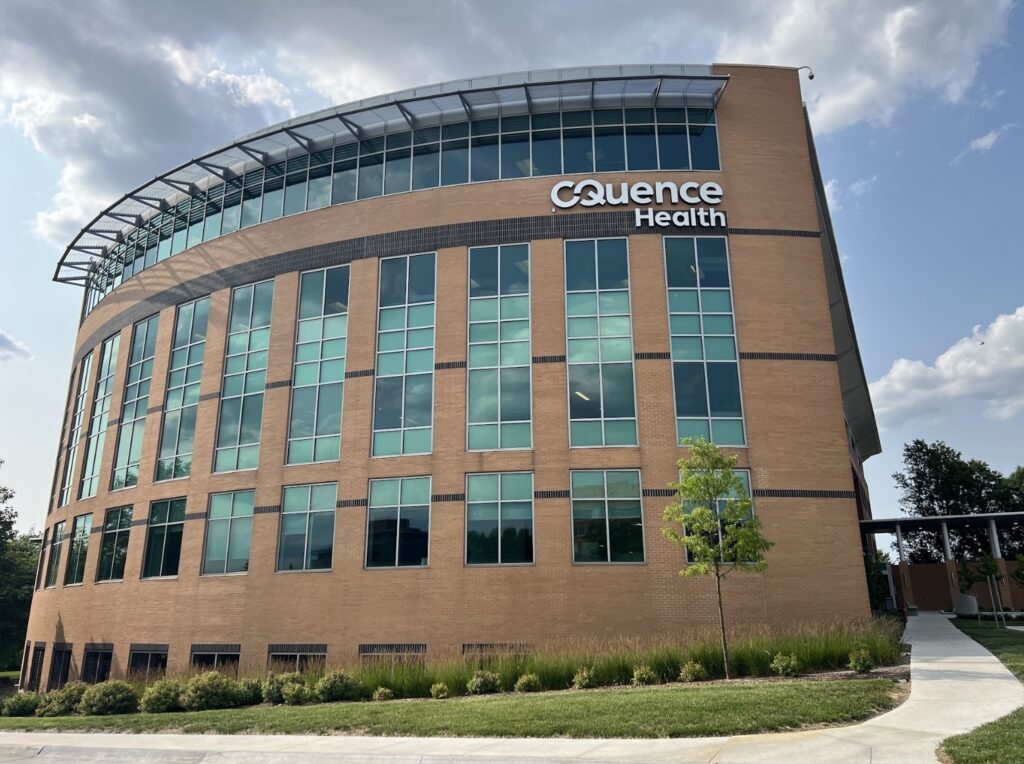
Omaha is widely recognized as a leader in healthcare innovation, supported by a strong workforce pipeline and pioneering institutions shaping the future of care.
Within that ecosystem, CQuence Health is dedicated to shaping the future of healthcare by improving access and outcomes. That work is grounded in a simple philosophy: take care of people first.
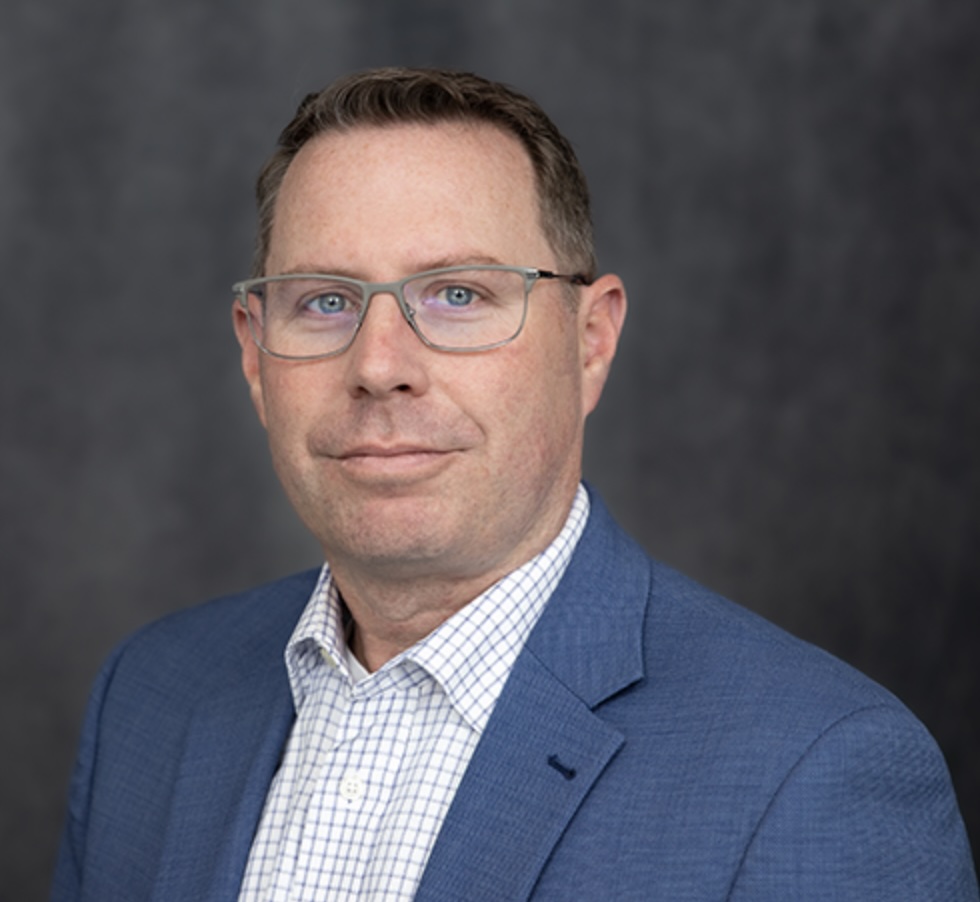
“We’re focused on supporting organizations that are solving meaningful challenges in healthcare,” said Kyle Salem, PhD, CEO of CQuence Health. “When you invest in people and the ideas they’re building, you can create impact at a much larger scale.”
CQuence Health’s roots trace back to its flagship portfolio company, Cassling, founded in 1984 by Bob Cassling, and later led by his son, Mike Cassling. Built on a commitment to service andlong-term relationships, Cassling grew from a five-state regional provider into Siemens Healthineer’s largest medical imaging partner in North America.
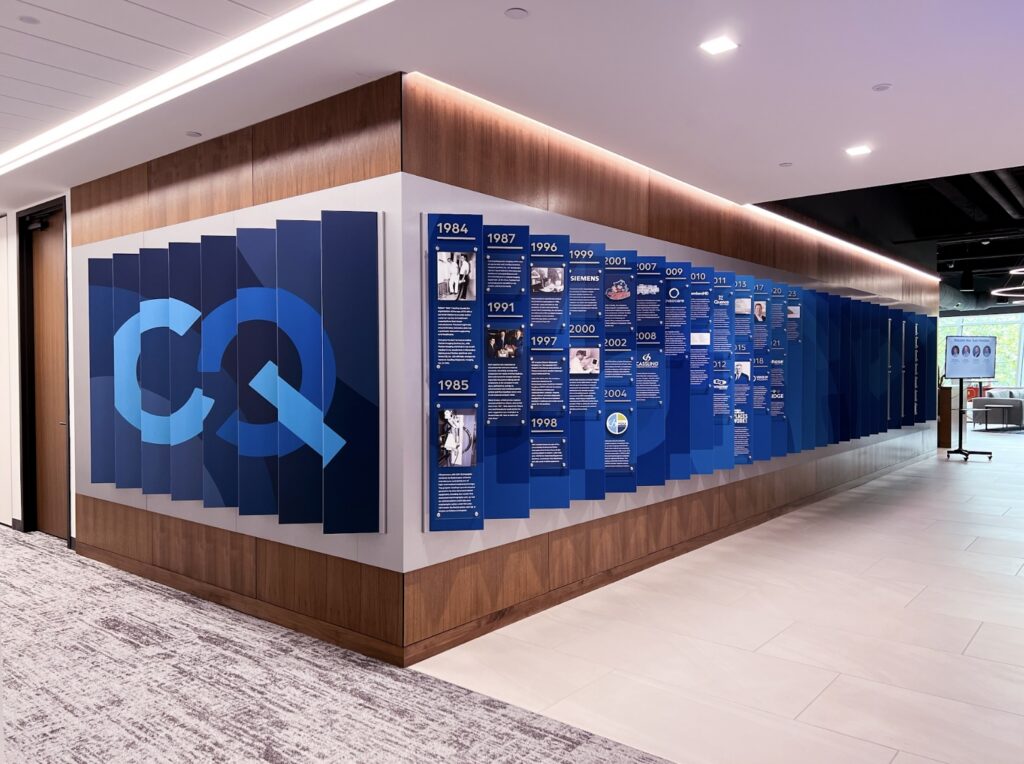
In 2011, CQuence Health was founded to expand that impact by creating a platform to support not just a single company, but an entire ecosystem of healthcare innovators. Today, CQuenceHealth helps emerging and growth-stage healthcare organizations grow, scale, and succeed in a complex and rapidly evolving industry. Many of these companies are founded by healthcare professionals or entrepreneurs who have experienced the system firsthand and are driven to improve it.
Scaling What Matters in Healthcare
At CQuence Health, success is measured over the long-term and with a clear objective: to impact 1 billion patient lives by 2030.
That goal provides a guiding framework for how the company allocates resources and supports the organizations within its portfolio. To bring accountability and visibility to that progress, CQuence Health developed a “Lives Touched Calculator.” This tool measures, in real-time, the patients reached through its portfolio companies. Today, that number is approaching 221 million lives.
Reaching that level of impact requires working alongside healthcare organizations that are solving meaningful problems across the industry. Supported companies span critical areas such as telehealth, digital pathology, medical waste management, and referral processing, each addressing a different point of friction within the healthcare system.
One example is Carecubes, a company providing rapidly deployable, negative-pressure isolation environments designed to help healthcare facilities contain airborne infectious diseases. The concept is straightforward, but the implications are significant. By enabling faster response to infectious disease threats, solutions like Carecubes have the potential to improve outcomes not just for individual patients, but for entire populations.
This approach reflects how CQuence Health defines growth. Rather than concentrating impact within a single organization, the company expands its reach by supporting others. As the healthcare landscape continues to evolve, that model positions CQuence Health to extend its influence far beyond any one company, helping drive meaningful progress across the system as a whole.
Investing in Omaha’s Healthcare Ecosystem
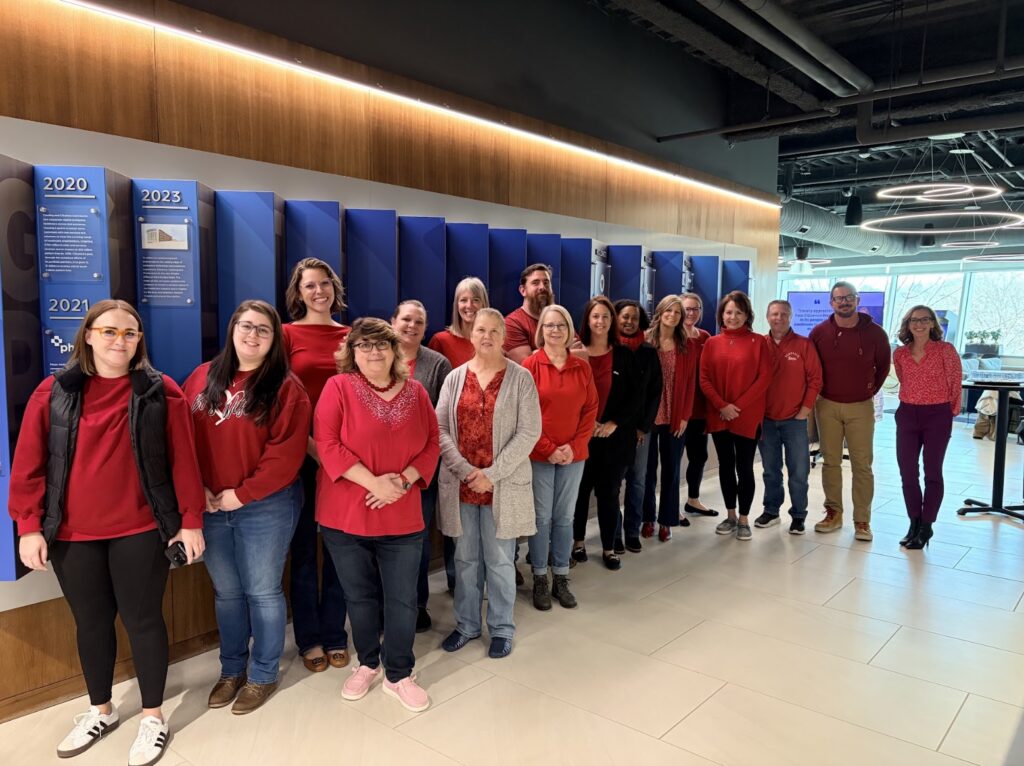
CQuence Health’s commitment extends beyond its portfolio companies and into the broader healthcare innovation ecosystem.
In partnership with UNeMed and UNeTech, CQuence Health recently launched the Steel Works Health Accelerator, a program designed to support early-stage healthcare startups as they move from concept to viable, market-ready businesses.
Over the course of 16 weeks, founders work through a structured curriculum that helps them refine strategy, navigate complex regulatory environments, and strengthen the foundations needed to scale. The program is designed to address a common challenge in healthcare innovation: promising ideas without the infrastructure needed to reach the next stage.
“We see tremendous potential in the ideas being developed here in Omaha,” said Salem. “Our role is to help founders answer the critical questions that move those ideas forward.”
That effort reflects a broader commitment to keeping healthcare innovation rooted locally while enabling it to scale nationally and globally. With a strong talent pipeline and a growing entrepreneurial ecosystem, Omaha provides a unique environment where new ideas can take shape.
The Greater Omaha Chamber plays an important role in strengthening that environment. By bringing together businesses, educators, and community leaders, the Chamber helps create the connections that fuel talent development and long-term economic growth.
For CQuence, participation in that work is active and ongoing.
“Being part of the Chamber helps us stay aligned with both business and community priorities,” Salem said. “It gives us a better understanding of how we can contribute to the region’s continued growth.”
Through its involvement, CQuence remains connected to the community’s evolving needs while contributing to a broader effort to build a stronger, more innovative healthcare ecosystem in Omaha.
A People-First Approach to Lasting Impact
For CQuence Health, shaping the future of healthcare starts with a principle that has guided the organization from the beginning: when you take care of people, better outcomes follow.
That philosophy traces back to founder Mike Cassling and continues to shape how the company operates today; from how it supports employees to how it partners with healthcare organizations and innovators.
“Delivering exceptional experiences starts with taking care of our people,” said Salem. “When employees feel supported and empowered, they are better equipped to serve our partners and,ultimately, improve the lives of patients.”
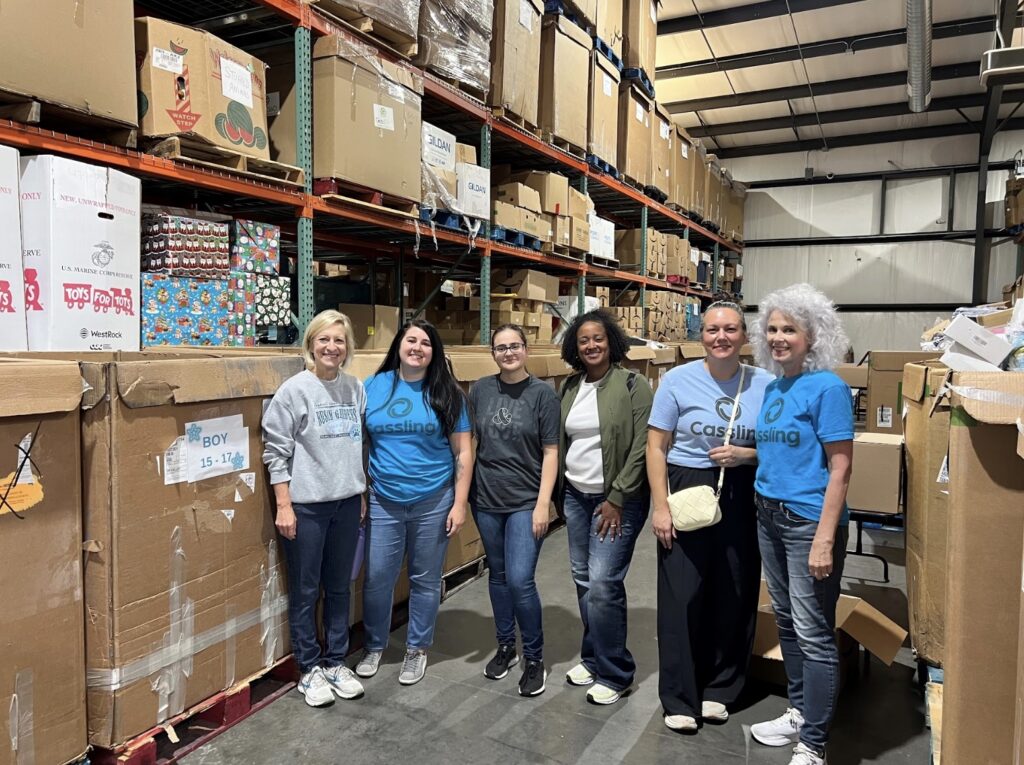
That people-first mindset extends beyond the organization itself. Whether supporting early-stage founders or engaging with the Omaha community, CQuence remains focused on building long-term relationships grounded in service and shared purpose.
As the company works toward its goal of impacting 1 billion patient lives, that focus remains constant. Because in healthcare, progress isn’t just measured in scale. It’s measured in lives changed.